Step
Requirement & Reference Study
Fit, function, materials and constraints defined before any geometry is drawn.
Remote mechanical design engineering for Australian startups, product companies and custom fabrication businesses, filling a gap that is genuinely harder to fill locally: experienced SolidWorks and DFM capacity at a cost that scales with project volume instead of a fixed local salary.
This page explains the engagement model for this priority market. The same remote mechanical design services are available to product teams worldwide.
Every stage produces a clear decision, review point or manufacturing deliverable.
Fit, function, materials and constraints defined before any geometry is drawn.
Parametric modeling reviewed early for moldability, machinability and assembly.
Full assemblies, tolerancing, and FEA/thermal validation where load or heat matter.
Dimensioned packages, flat patterns, BOMs and tolerance callouts a supplier can quote.
Prototypes confirm fit and function, then final files are packaged for production.
The portfolio example shows how the same engineering decisions appear in completed work.
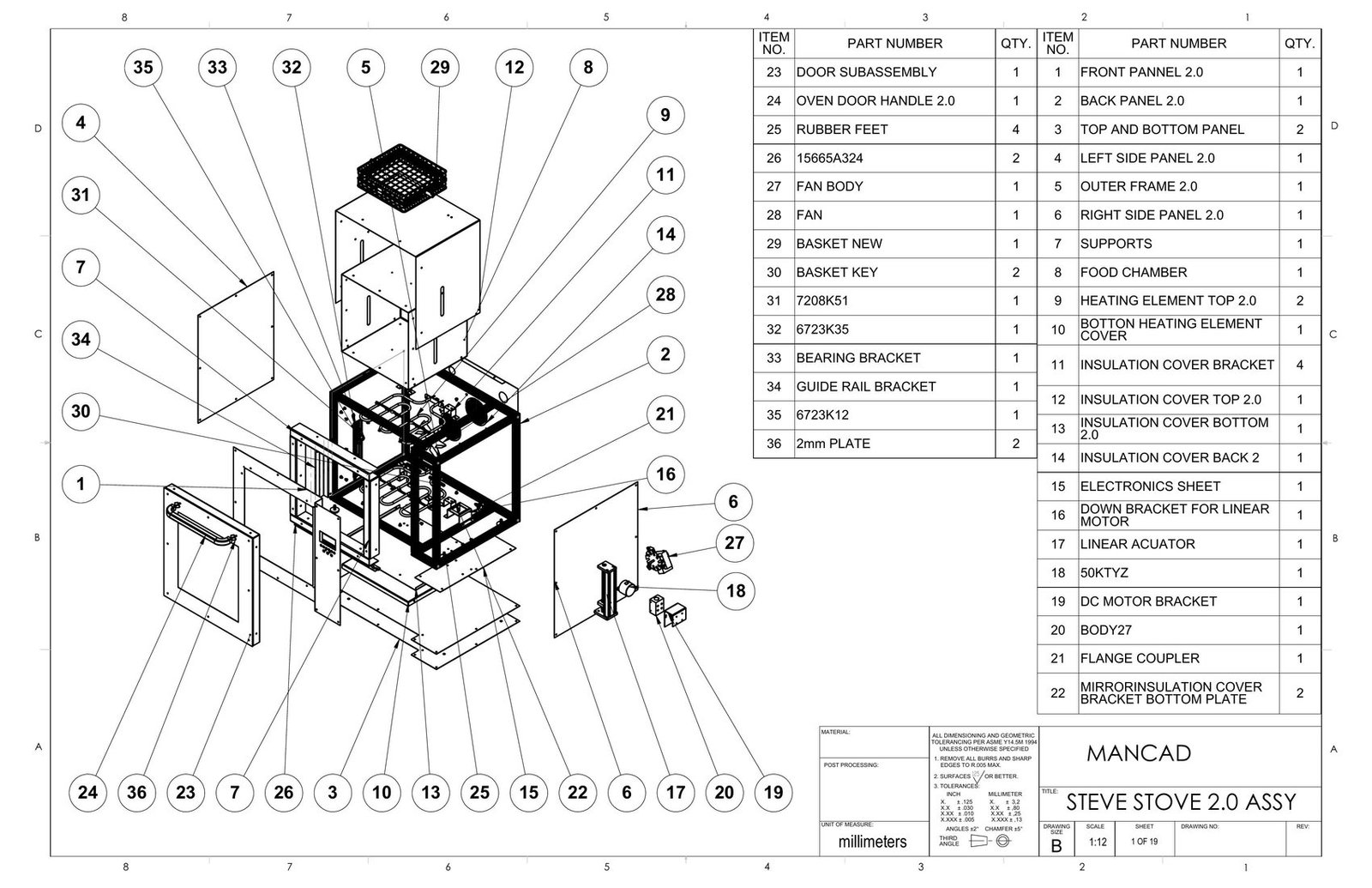
A full custom SolidWorks and sheet metal design workflow for architecturally-inspired doors and gates, including flat patterns, bend allowances and fabrication-ready DXF files matched to how parts actually get cut, bent, welded and assembled in a real workshop, the same standard needed for Australian custom fabrication work.
View portfolioNo, the work is remote, with a process built for Australian teams specifically: working-hour overlap for scheduled calls, and direct experience with Australian-style custom fabrication (welding, powdercoating, sheet metal) rather than only mass-production tooling.
Yes, DXF files and drawing packages are prepared to match a specific fabricator's process and equipment when that information is available.
Yes, custom, project-by-project fabrication work (gates, enclosures, one-off structural assemblies) is a core part of the experience, not just high-volume consumer product tooling.
Scheduled calls are set up around AEST/AWST business hours as needed, with async updates and documentation covering the rest.
Typically lower than a local salaried hire once recruiting time, onboarding and downtime between projects are factored in, with cost scaling to actual project volume instead of a fixed monthly cost.
Use these pages to compare scope and deliverables before combining services into one project.
Share your scope, files and time zone. The project can be structured around clear review points.